Telegram Founder Pavel Durov Wanted Internationally by Russia Over Terrorism Charges
Telegram Founder Pavel Durov faces terrorism charges and an international arrest warrant, sparking regulatory scrutiny and concerns over user safety.
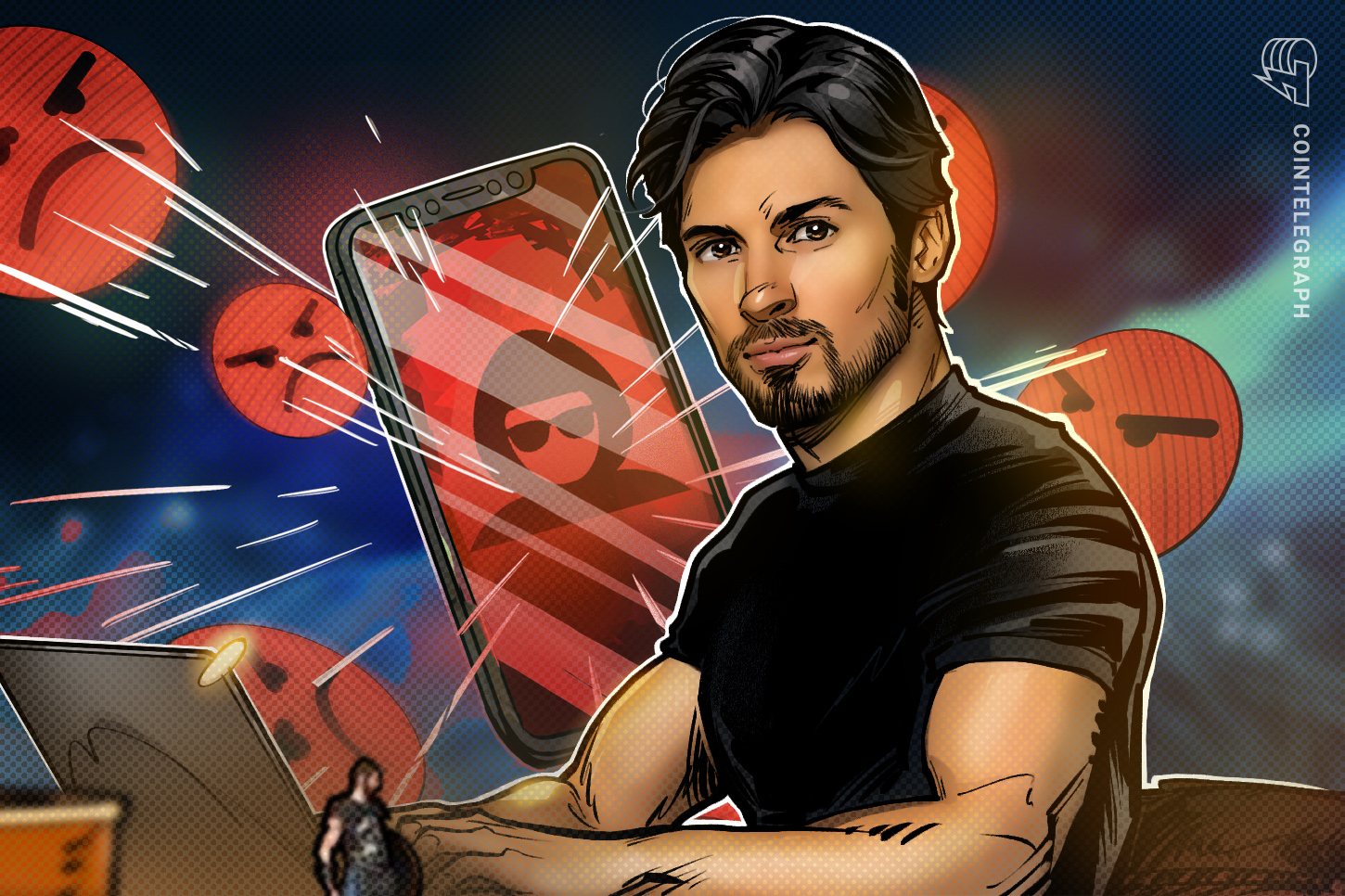
The founder of Telegram, Pavel Durov, is now wanted internationally by Russia. According to reports from Russia’s Federal Security Service (FSB), Durov faces terrorism-related charges and an international arrest warrant. The FSB alleges that Telegram failed to remove channels, chats, and bots used by Ukrainian intelligence services, terrorist groups, and extremist organizations to coordinate attacks, recruit operatives, and conduct cyber fraud. As Telegram Founder Pavel Durov navigates this complex situation, his case highlights the ongoing tensions between technology companies and governments over issues of privacy, security, and regulation.
Background on the Charges
The charges against Durov are not new, as Russian authorities had opened a criminal case against him in February. At the time, Durov confirmed the case in a post on X, accusing Russian authorities of using the investigation to pressure Telegram and suppress the right to privacy and free speech. The latest development escalates the situation, with the international arrest warrant adding a new layer of complexity to the case. According to the FSB, Telegram’s alleged failure to remove terrorist content has significant implications for national security and public safety. The Russian government has been increasingly critical of Telegram’s content moderation policies, and this case may set a precedent for future regulatory actions.
The Role of Telegram Founder Pavel Durov in the Case
As the founder of Telegram, Pavel Durov’s role in the case is central. Durov has been a vocal advocate for user privacy and security, and his company has faced numerous challenges from governments seeking to access user data. The charges against Durov are likely to be seen as a test of his commitment to these values, and the outcome of the case may have significant implications for the future of Telegram and other messaging apps. According to a report by the Cointelegraph, the international arrest warrant has already led to increased scrutiny of Telegram’s content moderation policies.
Impact on Telegram and Its Users
The consequences of these charges and the arrest warrant are significant for Telegram and its users. As a messaging app with a strong focus on privacy and security, Telegram has been a popular choice for individuals and groups seeking to communicate securely. However, the allegations of facilitating terrorist activity could damage the app’s reputation and lead to increased scrutiny from governments and regulatory bodies. Users may also face risks if they are found to be using the app for illicit purposes. For instance, if Telegram is found to be non-compliant with regulatory requirements, users may face legal action or have their accounts suspended. The case against Durov and Telegram may also have implications for other messaging apps and social media platforms, as governments seek to balance the need to protect their citizens with the need to respect individual rights and freedoms.
Regulatory Angle and Market Impact
The case against Durov and Telegram highlights the ongoing tensions between technology companies and governments over issues of privacy, security, and regulation. As governments seek to balance the need to protect their citizens with the need to respect individual rights and freedoms, technology companies must navigate complex and often conflicting regulatory requirements. The outcome of this case could have significant implications for the future of messaging apps and the way they are regulated. For example, if Telegram is required to implement stricter content moderation policies, it may need to invest in additional resources and infrastructure to comply with regulatory requirements. According to a report by the Brookings Institution, the development of clear and consistent regulatory frameworks will be essential for ensuring the long-term sustainability of the technology industry.
Operational Consequences and User Risk
For Telegram users, the situation poses a number of risks and uncertainties. If the app is found to be facilitating terrorist activity, users could face repercussions, including potential legal action. Additionally, the app’s reputation and user base could be severely impacted, leading to a decline in usage and revenue. As the situation unfolds, users should be aware of the potential risks and take steps to protect themselves, such as using alternative messaging apps or taking extra precautions when communicating sensitive information. The case against Durov and Telegram may also have implications for the broader technology industry, as companies seek to navigate the often conflicting regulatory landscape.
The Role of AI in Content Moderation
The case against Telegram also highlights the importance of AI in content moderation. As messaging apps and social media platforms struggle to balance the need to protect users with the need to respect individual rights and freedoms, AI-powered content moderation tools can help identify and remove terrorist content. For more information on the latest developments in AI-powered content moderation, visit AI product launches. According to a report by the Russian news agency Interfax, the Russian government has already begun to take steps to restrict access to Telegram in the country.
International Cooperation and Information Sharing
The international arrest warrant issued against Durov also highlights the importance of international cooperation and information sharing in the fight against terrorism. As governments and technology companies work together to identify and remove terrorist content, they must also navigate complex issues of jurisdiction and sovereignty. According to a report by the United Nations, international cooperation and information sharing will be essential for preventing the spread of terrorist ideologies and protecting national security. The case against Durov and Telegram may serve as a model for future international cooperation on issues related to terrorism and content moderation.
Future Implications and Regulatory Framework
The case against Durov and Telegram raises important questions about the future of regulatory frameworks for messaging apps and social media platforms. The outcome of this case could have significant implications for the future of the technology industry, and may serve as a model for future regulatory actions.
What to Watch Next
The case against Pavel Durov and Telegram will continue to unfold in the coming weeks and months. Key developments to watch include the outcome of the international arrest warrant and the charges against Durov, the impact of the case on Telegram’s user base and reputation, and the potential implications for the broader technology industry. The case may also serve as a model for future international cooperation on issues related to terrorism and content moderation. Furthermore, the development of clear and consistent regulatory frameworks will be crucial for ensuring the long-term sustainability of the technology industry. The outcome of this case will have significant implications for Telegram Founder Pavel Durov, the technology industry, and the future of regulatory frameworks for messaging apps and social media platforms.