Elizabeth Warren Set to Chair Senate Banking Committee, Eyes Retail Day-Trading Infrastructure
Elizabeth Warren’s expected chairmanship of the Senate Banking Committee could bring new scrutiny to retail day-trading platforms and market-execution rules.
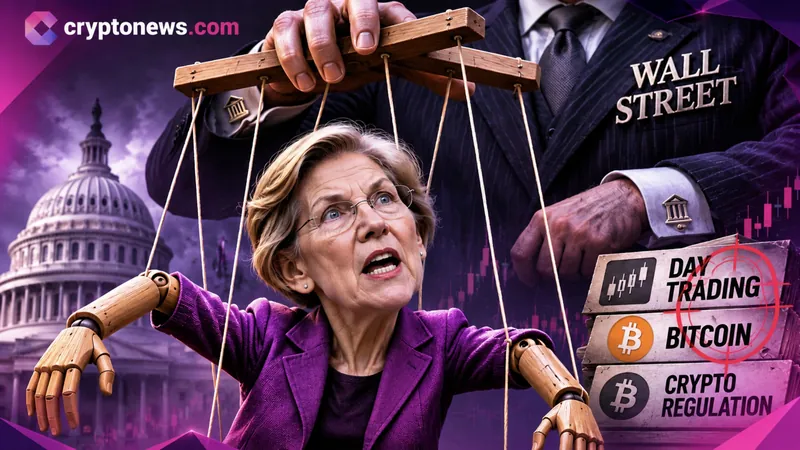
Elizabeth Warren is expected to become chair of the Senate Banking Committee on November 6, 2026, giving her a platform to investigate financial firms and challenge federal regulators. The move follows Democrats’ takeover of both chambers of Congress in the November 2026 midterms.
Potential Impact on Day-Trading Platforms
Warren has long argued for stronger protections for ordinary Americans in financial markets. As chair, she could hold hearings, subpoena witnesses and push legislation that targets the infrastructure that routes and executes retail orders. On October 1, she joined four other Democrats in urging SEC Chairman Paul Atkins to preserve key Regulation National Market System protections, specifically Rules 611 and 610(e). Those rules limit how retail orders can be routed and priced, preventing larger participants from gaining an advantage at the expense of ordinary investors.
Fast-moving day-trading platforms rely on competitive execution, transparent pricing and reliable liquidity. The SEC rules Warren defended are therefore central to the day-trading ecosystem. If the committee were to investigate or amend those rules, platforms would need to adjust order-routing logic and compliance reporting.
Broader Regulatory Agenda
Warren has not announced any restrictions on the frequency of day trading itself. Her focus appears to be on the market structure that determines how orders are executed rather than on limiting trading activity. Beyond day trading, Warren has signaled interest in prediction markets and crypto firms. She intends to examine alleged insider trading in prediction markets and investigate ties between the crypto industry and political figures, including former President Donald Trump. These investigations could increase regulatory pressure on firms that engage in political or financial relationships.
The potential cost to market participants lies in higher compliance burdens and possible changes to execution models. Supporters argue that tighter oversight would improve fairness for retail investors, while critics warn that additional regulation could stifle competition and raise costs for brokers and exchanges.
The exact scope of Warren’s agenda remains to be seen. With subpoena powers and control over hearings, she will shape how the banking committee engages with federal regulators and the financial industry.