Ledger Atom Launch After $86M Hack
Ledger unveiled the $849 Atom wallet days after an $86M spyware attack, prompting reseller suspensions and market scrutiny.
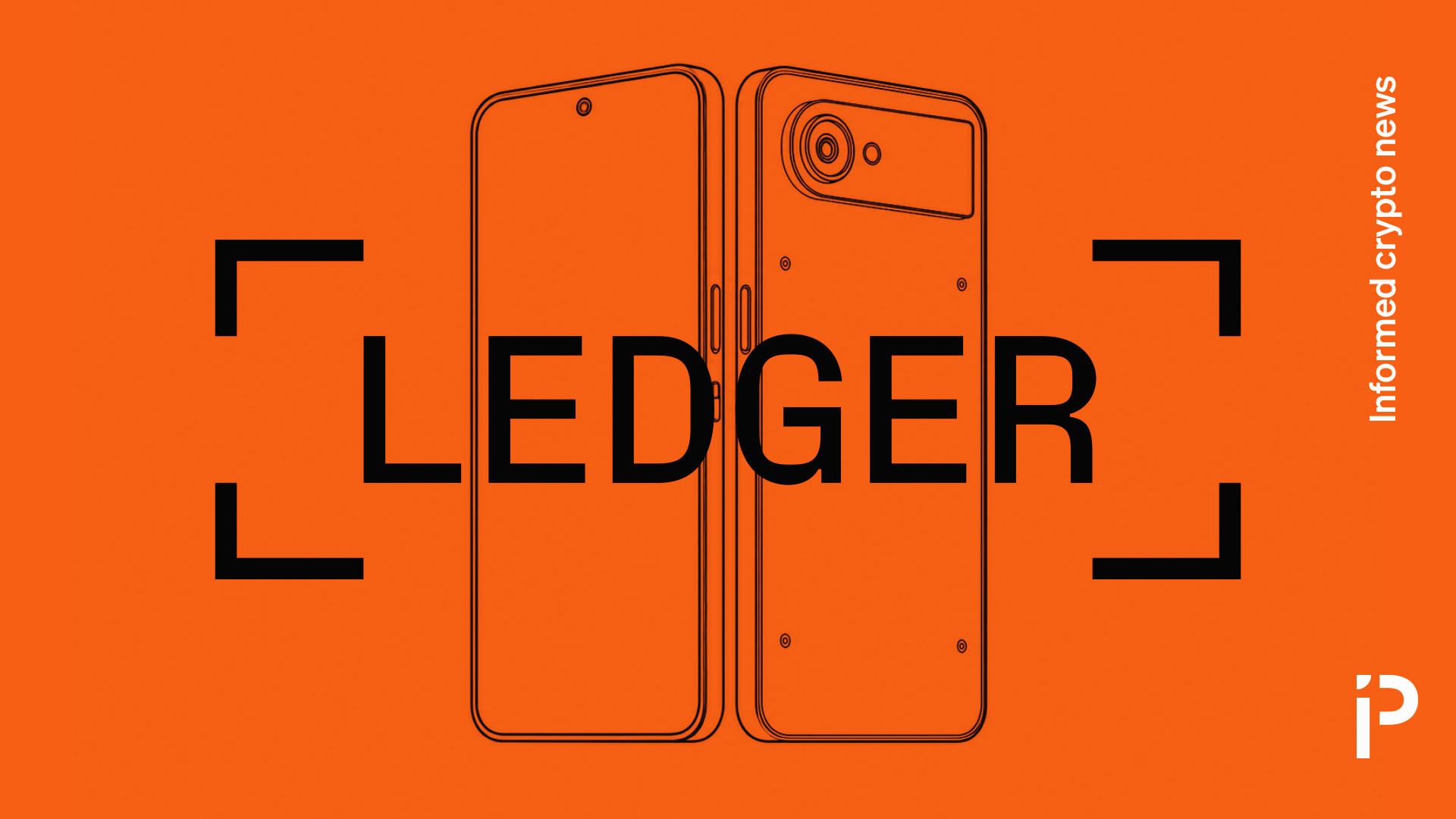
What is the Ledger Atom device?
Ledger introduced the Atom on October 15, 2026, at a price of $849. The unit is a compact Android device that cannot make calls or send texts but can download apps. It runs Ledger-OS on top of Android and features a privacy switch that claims to cut the camera and mic at the circuit level. The device uses an eSIM restricted to data only, allowing users to send internet-based messages and calls.
Which resellers were affected by the hack?
Ledger suspended sales from 23 official resellers in South Asia after discovering tampered devices. The Malaysian reseller CryptoBilis, which supplied the compromised wallets, was cited as the source of the spyware that drained over $86 million. Ledger also asked its German reseller MediaMrkt to halt sales, though it found no evidence of tampering in European units.
When did the hack occur and what did it involve?
The attack, revealed by Ledger on October 15, 2026, involved spyware installed on devices sold by CryptoBilis. Ledger described the attackers as a “highly organized criminal group” that built its own logistics and technology infrastructure, including seed-collector servers and laundering mechanisms. The spyware drained user funds and compromised sensitive data.
Why did Ledger launch a new device so soon after the hack?
Ledger’s announcement came just days after the hack, prompting criticism on social media. Users on X called the timing “worst ever,” arguing that the company should have delayed the launch to address security concerns. Ledger defended the Atom as a “security-focused” alternative to mobile phones, emphasizing its dedicated hardware and privacy features.
What operational changes does the Atom introduce for users?
The Atom runs a dual-layer OS: Android for app compatibility and Ledger-OS for transaction signing, logins, and sensitive data handling. Users can still access the internet, but the device’s eSIM limits connectivity to data only, preventing traditional voice or SMS usage. The privacy switch is intended to disable camera and microphone hardware, reducing the attack surface for future spyware.
How has the market reacted to Ledger’s dual actions?
Institutional investors and retail users have expressed concern over the simultaneous launch and security breach. Reseller suspensions in South Asia and Germany indicate a tightening of supply chain oversight. The $849 price point positions the Atom in a niche segment of high-security wallets, potentially attracting users who prioritize hardware isolation.
What are the regulatory implications of the hack?
The incident highlights gaps in third-party reseller vetting and supply-chain security. Regulators in Southeast Asia may review licensing requirements for crypto-wallet distributors. In Europe, the lack of tampering evidence in German units suggests regional differences in supply-chain controls.
What should users do if they own a Ledger wallet?
Ledger advises users to verify the integrity of their devices and monitor for unusual activity. The company recommends disabling or removing any third-party apps that could serve as vectors for spyware. Users with Atom devices should ensure the privacy switch is activated and keep the firmware updated.
What is the broader impact on the crypto-wallet market?
Ledger’s experience may prompt competitors to strengthen supply-chain audits and offer hardware-only solutions. The market could see a shift toward devices that isolate transaction signing from general operating systems. Institutional players may reassess their reliance on third-party resellers and consider direct procurement.
Where can I learn more about Ledger’s response to the hack?
Ledger detailed its findings in a statement on October 15, 2026, and expanded its reseller suspension list the following week. The company also confirmed no tampering in German units and reported no loss of funds related to implants in Europe.
Ledger Atom Launch Details
Ledger’s Atom launch follows the $86M spyware incident that exposed vulnerabilities in its supply chain. The device’s dual-OS architecture and privacy switch aim to mitigate future attacks, but the timing of the launch raises questions about the company’s risk management priorities.
Market and Regulatory Response
Regulators in Southeast Asia are reviewing reseller licensing, while European authorities monitor supply-chain controls. Institutional investors are re-examining procurement channels, and competitors are accelerating hardware-only product development.
Related coverage
- Ledger wallet spyware forces German reseller to halt sales
- OpenAI Considers Buying Trail of Bits After Office Bugging Incident
- How MiniMed Ended Up With 99% of Its Float Sold Short