Coinbase CEO Brian Armstrong Rejects Calls for AI Regulation Body
Coinbase CEO rejects AI regulation, citing existing laws as sufficient for protection and market incentives for safe AI products.
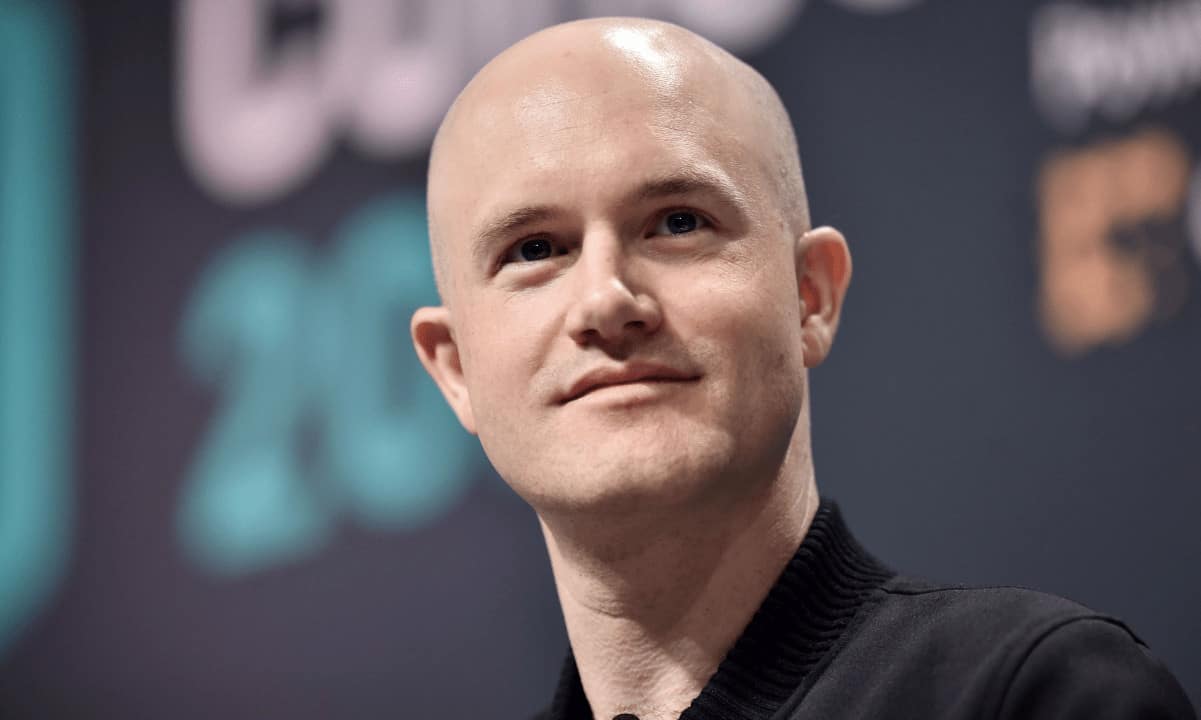
The debate over AI regulation has been ongoing, with some experts calling for a new regulatory body to oversee the development and deployment of AI systems in the crypto industry. However, Coinbase CEO Brian Armstrong has rejected these calls, arguing that existing laws are sufficient to protect against harmful AI.
According to Armstrong, the existing laws which prevent fraud, award damages when victims are harmed, and prevent unfair and deceptive acts and practices provide broad protections if one of the frontier labs issues a model that does harm. He also pointed out that AI developers have a strong commercial incentive to release safe products, as users will most likely avoid tools they consider dangerous.
Background on AI Adoption in Crypto Industry and AI Regulation
The use of AI in the crypto industry has been increasing rapidly, with many companies adopting AI-powered systems to improve their operations. Coinbase, in particular, has been at the forefront of AI adoption, with the company’s head of platform Rob Witoff revealing that between 95% and 100% of the crypto exchange’s code is now written by or with large language models. This shift towards AI-powered systems has significant implications for AI regulation.
This shift towards AI-powered systems has not been without its challenges, however. Earlier this month, Coinbase was forced to investigate an AI-generated notification that incorrectly reported the result of a FIFA World Cup match before it had even started. The incident highlights the need for careful consideration of AI regulation and the potential risks associated with AI-powered systems.
Implications of AI Regulation on Crypto Industry
The implications of AI regulation are far-reaching, with potential consequences for the entire tech industry. If a new regulatory body were to be established, it could lead to a dual approval process, where businesses would have to satisfy both state regulators and industry bodies. This could create a significant burden for companies, particularly small and medium-sized enterprises, and may impact the development of AI regulation.
On the other hand, the lack of regulation could lead to a Wild West scenario, where companies are free to develop and deploy AI systems without any oversight. This could lead to a range of negative consequences, including the development of harmful AI systems that could pose a risk to individuals and society as a whole. As such, it is essential to consider the potential implications of AI regulation on the crypto industry and the need for a balanced approach.
Market Impact of AI Adoption and AI Regulation
The adoption of AI in the crypto industry is likely to have a significant impact on the market. As more companies adopt AI-powered systems, we can expect to see increased efficiency and productivity, as well as improved customer experience. However, the use of AI also raises important questions about the future of work and the potential for job displacement. As AI systems become more advanced, there is a risk that they could replace human workers, particularly in industries where tasks are repetitive or can be easily automated.
Regulatory Angle and AI Regulation
From a regulatory perspective, the use of AI in the crypto industry raises a range of complex questions. How can regulators ensure that AI systems are safe and secure, without stifling innovation and creativity? One possible approach is to establish a framework for the development and deployment of AI systems, which would provide clear guidelines and standards for companies to follow. This could include requirements for transparency, accountability, and fairness, as well as measures to prevent bias and discrimination.
Operational Consequences of AI Adoption
The operational consequences of AI adoption in the crypto industry are significant. As companies adopt AI-powered systems, they will need to consider a range of factors, including data quality, algorithmic transparency, and human oversight. They will also need to ensure that their AI systems are secure and resilient, with robust defenses against cyber threats and other forms of attack. This will require significant investment in cybersecurity measures, as well as ongoing monitoring and maintenance.
User Risk and AI Regulation
The use of AI in the crypto industry also raises important questions about user risk. As AI systems become more advanced, there is a risk that they could be used to manipulate or deceive users, particularly in the context of financial transactions. To mitigate this risk, companies will need to prioritize transparency and accountability, providing clear information about how their AI systems work and what risks are involved. They will also need to ensure that their AI systems are fair and unbiased, with measures in place to prevent discrimination and other forms of harm.
Future of AI Regulation
Brian Armstrong, CEO of Coinbase, is taking a proactive stance on AI regulation. Armstrong believes that existing laws and market incentives are sufficient to encourage companies to build safe and secure AI products. As the use of AI in the crypto industry continues to grow and evolve, companies like Coinbase will be central to shaping the future of AI regulation. The company’s commitment to transparency and accountability will be essential in building trust with users and regulators alike. To stay ahead of the curve, users can visit a Fast crypto exchange, such as a direct pair exchange, to learn more about the latest developments in the crypto market.
The future of AI regulation will depend on the ability of companies and regulators to work together to establish clear guidelines and standards for the development and deployment of AI systems. The crypto sector’s ongoing evolution suggests that multiple AI regulation models will appear. Companies that prioritize transparency, accountability, and fairness will be well-positioned to succeed in this new landscape.