Binance Layer-1 Launch Sharpens CZ’s Ecosystem Play as Aster Builds Its Own Chain
Binance Layer-1 launch sharpens CZ’s ecosystem strategy while Aster announces its own blockchain, reshaping competition and operator costs.
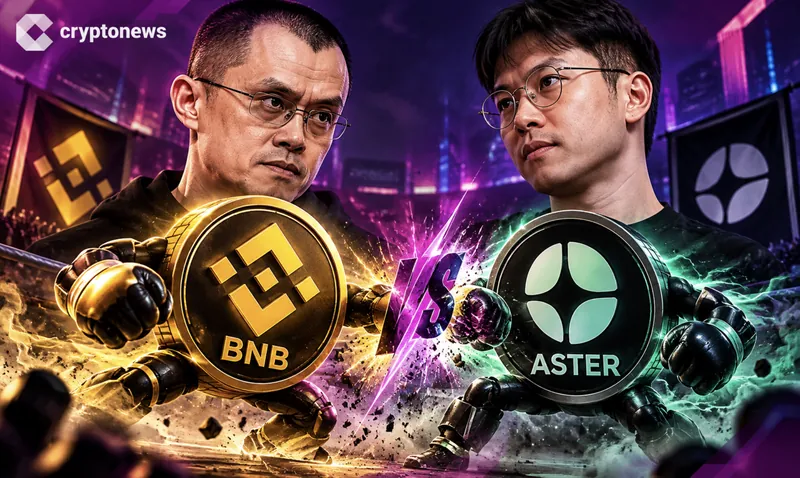
Binance Layer-1 Launch Signals Ecosystem Consolidation
Binance has introduced a new Layer-1 blockchain, a move that positions the exchange’s founder, CZ, at the center of an expanding ecosystem strategy. The launch, reported by cryptonews.com, follows a pattern of Binance adding infrastructure layers to deepen user retention and broaden service offerings.
The new chain is expected to integrate with Binance’s existing suite of products, from spot and futures trading to staking and DeFi services. By offering a native blockchain, Binance can capture transaction fees, attract liquidity providers, and create a closed loop that encourages users to stay within its ecosystem. The move aligns with CZ’s public statements about building a comprehensive crypto ecosystem that spans exchanges, wallets, and infrastructure.
Aster’s Independent Chain Adds Market Fragmentation
While Binance consolidates, Aster is developing its own blockchain, according to the same cryptonews.com source. Aster’s strategy appears to focus on providing a platform that is distinct from Binance’s offerings, potentially targeting developers and projects that seek an alternative to Binance’s ecosystem.
Aster’s independent chain introduces new infrastructure costs for developers: they must port or rebuild smart contracts, establish node operators, and navigate a separate token economy. For projects already invested in Binance’s ecosystem, the decision to migrate or dual-deploy will involve trade-offs between the benefits of Binance’s liquidity and the autonomy of Aster’s platform.
Operational Consequences for Operators
Operators that rely on Binance’s services will likely see reduced friction in deploying applications on the new Layer-1. The integration can lower gas costs through Binance’s fee structures and provide access to Binance’s large user base. However, the shift also tightens Binance’s control over the network, potentially limiting interoperability with other chains.
Conversely, operators considering Aster’s chain face higher upfront costs. They must invest in new tooling, security audits, and community building. The fragmented market may dilute liquidity, raising the cost of capital for projects that cannot tap into Binance’s established user base.
Market Structure Implications
Binance Layer-1 could reinforce a winner-take-all dynamic where the exchange’s ecosystem dominates trading volume and liquidity provision. The tighter integration may discourage third-party developers from building on competing chains, consolidating market share.
Aster’s emergence, however, introduces a countervailing force. By offering an alternative, it may attract projects that prioritize decentralization or specific technical features absent from Binance’s chain. This could lead to a more segmented market where projects choose chains based on niche requirements rather than liquidity alone.
Who Gains Leverage and Who Bears Cost
Binance gains leverage through increased transaction volume, fee income, and network effects that lock users into its platform. The exchange also benefits from a unified data stream that can inform product development and risk management.
Aster bears the cost of building and maintaining a new blockchain. It must allocate capital to node infrastructure, security, and developer incentives. The company also faces the risk of low adoption if developers favor Binance’s established ecosystem.
What to Watch Next
- Binance Layer-1 adoption metrics: transaction volume, developer activity, and liquidity provision.
- Aster’s token economics and governance model: how it plans to attract and retain developers.
- Regulatory responses: authorities may scrutinize Binance’s expanding ecosystem for anti-competitive concerns, while Aster’s independent chain could attract attention for its decentralization claims.
The concurrent launches underscore a broader industry trend: major exchanges are layering infrastructure to capture more value, while new entrants seek to carve out differentiated niches. Operators must evaluate whether the benefits of Binance’s integrated ecosystem outweigh the risks of reduced decentralization, and whether Aster’s alternative offers sufficient incentives to justify the higher operational overhead.
Related coverage
- Multi-Chain Gas & MEV Burn Radar
- Standard Chartered BTC Trading UAE: Direct Bitcoin and Ethereum Access for Wealthy Clients
- Claude AI Ethereum Forecast Sparks Market-Structure Debate