Irish gangs crypto vaults: Renting Private Vaults to Hide Crypto Keys
Irish gangs crypto vaults are storing Bitcoin seed phrases in private vaults, prompting tighter AML rules and new risks for crypto custodians.
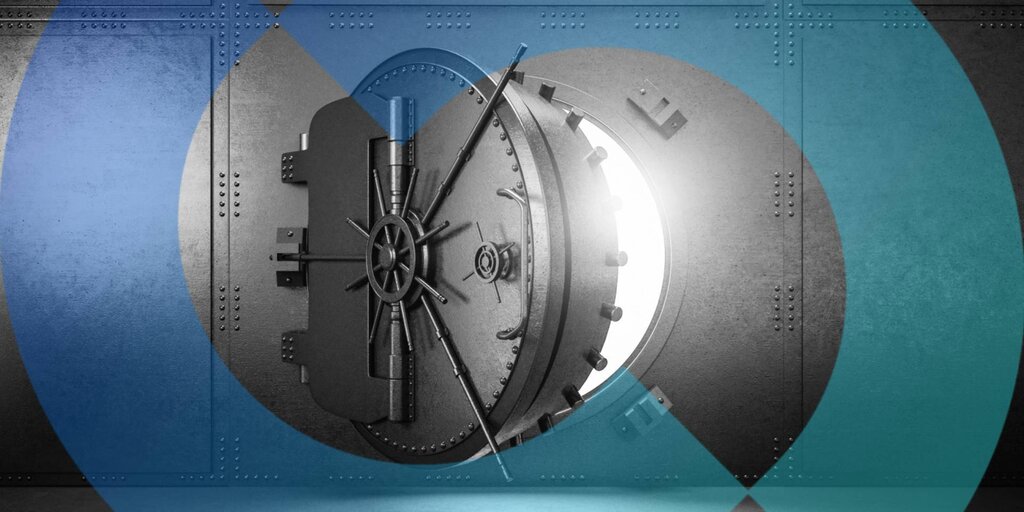
Irish gangs crypto vaults have emerged as a new frontier in illicit finance, with organised crime groups renting high-security vaults to store Bitcoin seed phrases and hardware wallets. The Criminal Assets Bureau (CAB) confirmed the practice in a recent briefing, noting that physical key storage adds a layer of deniability that digital surveillance tools cannot easily penetrate. This development raises fresh AML challenges for Irish regulators and custodial service providers.
How Irish gangs crypto vaults operate
- Physical isolation: Gangs lease safety-deposit boxes in commercial vault facilities, placing printed seed-phrase sheets or hardware wallets alongside cash, luxury watches and passports.
- Mixed-asset concealment: By bundling crypto keys with tangible assets, criminals complicate forensic audits and increase the effort required for law-enforcement to seize the full portfolio.
- Low-tech resilience: A paper seed phrase stored offline is immune to blockchain tracing, making it a reliable fallback when on-chain anonymity is compromised.
- Evidence: Detective Chief Superintendent Michael Gubbins of the CAB told the Sunday Independent that vaults contain “cryptocurrency keys or cash or watches or could even be passports”.
Takeaway: Physical key storage re-introduces classic crime-scene tactics into the digital-asset world, forcing investigators to broaden evidence-collection methods.
Irish gangs crypto vaults and the cash-centric economy
- Cash remains king: Despite the allure of crypto, cash continues to dominate illicit transactions in Ireland, especially in drug-trafficking networks.
- Volatility hedge: Criminals keep only a modest portion of illicit proceeds in crypto to avoid exposure to price swings.
- Risk of loss: Misplaced seed phrases or hardware failures can erase value, prompting a cautious approach to on-chain holdings.
- Strategic diversification: Crypto serves as a hedge against cash seizures rather than a wholesale replacement.
Takeaway: The vault trend reflects a tactical supplement to cash, not a wholesale shift to digital assets.
EU AML reforms tightening the net
- Cash transaction caps: New EU rules, to be transposed into Irish law next summer, will ban cash payments above €10,000 and require identification for cash spenders over €3,000.
- Crypto-service provider scrutiny: Exchanges, custodians and DeFi platforms will face enhanced due-diligence obligations, including mandatory reporting of large crypto-to-fiat conversions.
- Cross-sector impact: Luxury-goods retailers, crowdfunding sites and even scaling solutions will need to monitor cash-linked crypto activity.
- Compliance deadline: Ireland published its first national AML strategy last month, signalling a rapid rollout of the EU directives.
Takeaway: The regulatory tide is rising, and any entity handling cash or crypto in Ireland must upgrade KYC/AML controls now.
Operational implications for custodians and exchanges
- Off-chain key management: Custodians must verify that clients are not storing private keys in unregistered vaults, which could bypass AML monitoring.
- Enhanced onboarding: Questionnaires should capture physical storage methods and require proof of key ownership.
- Audit trails: Integration with a layer-2 activity board can help detect sudden on-chain inflows that may correspond to vault-based withdrawals.
- Legal exposure: Failure to flag suspicious key-storage practices could result in fines under the upcoming EU AML framework.
Takeaway: Custody providers need to treat physical key storage as a red flag comparable to cash-intensive businesses.
Market-structure ripple effects
- Liquidity shifts: If vault-stored keys are liquidated, short-term spikes in BTC sell pressure could appear on Irish exchanges.
- Risk premium: Institutional investors may demand higher spreads for exposure to Irish crypto markets, citing heightened AML risk.
- Product innovation: Expect growth in “crypto-backed vault services” that combine physical security with regulatory reporting, similar to traditional safe-deposit banking.
- Cross-border arbitrage: Criminals may move keys to jurisdictions with looser AML regimes, pressuring Irish regulators to cooperate internationally.
Takeaway: The vault trend could create micro-volatility in Irish crypto markets and incentivise new compliance-focused products.
Global precedents and trusted insights
- Latin America: Chainalysis reports that drug cartels in Mexico and Colombia also use physical safes for seed phrases, often pairing them with offshore mixers.
- Eastern Europe: Russian organised crime has historically stored crypto keys in bank safety-deposit boxes, prompting tighter banking AML rules.
- Regulatory learning: Those jurisdictions saw a surge in asset-seizure success once law-enforcement gained access to vault records through court orders.
- Trusted source: For broader context on AML trends, see the European Commission’s guidance on crypto-asset service providers (the European Commission).
Takeaway: Ireland can learn from international cases where coordinated legal pressure on vault providers disrupted criminal crypto pipelines.
What to watch next
- Legislative timeline: Monitor the Irish Anti-Money Laundering Steering Committee’s reports for exact implementation dates of the €10,000 cash cap.
- Vault provider responses: Expect statements from major vault operators about cooperation with law-enforcement and possible policy changes.
- Crypto-crime indictments: Any prosecutions stemming from the CAB’s findings will set precedents for future asset-seizure cases.
- Industry reaction: Watch how Irish exchanges adjust AML software, potentially integrating real-time monitoring of large cash deposits linked to crypto wallets.
Takeaway: The convergence of physical vault storage and upcoming AML reforms creates a critical inflection point for Ireland’s crypto ecosystem.
The emergence of private-vault crypto storage underscores a broader tension between the anonymity promised by digital assets and the physical realities of organised crime. While cash remains king, the added layer of encrypted keys in secure boxes forces regulators, custodians and exchanges to rethink risk models. As the EU’s AML directives roll out, Ireland’s crypto market must adapt quickly, or risk becoming a haven for illicit key-hiding practices.