EU Imposes Sanctions on HTX Exchange: Cryptocurrency Regulation
The European Union has imposed sanctions on HTX exchange for facilitating transactions that undermine EU measures against Russia.
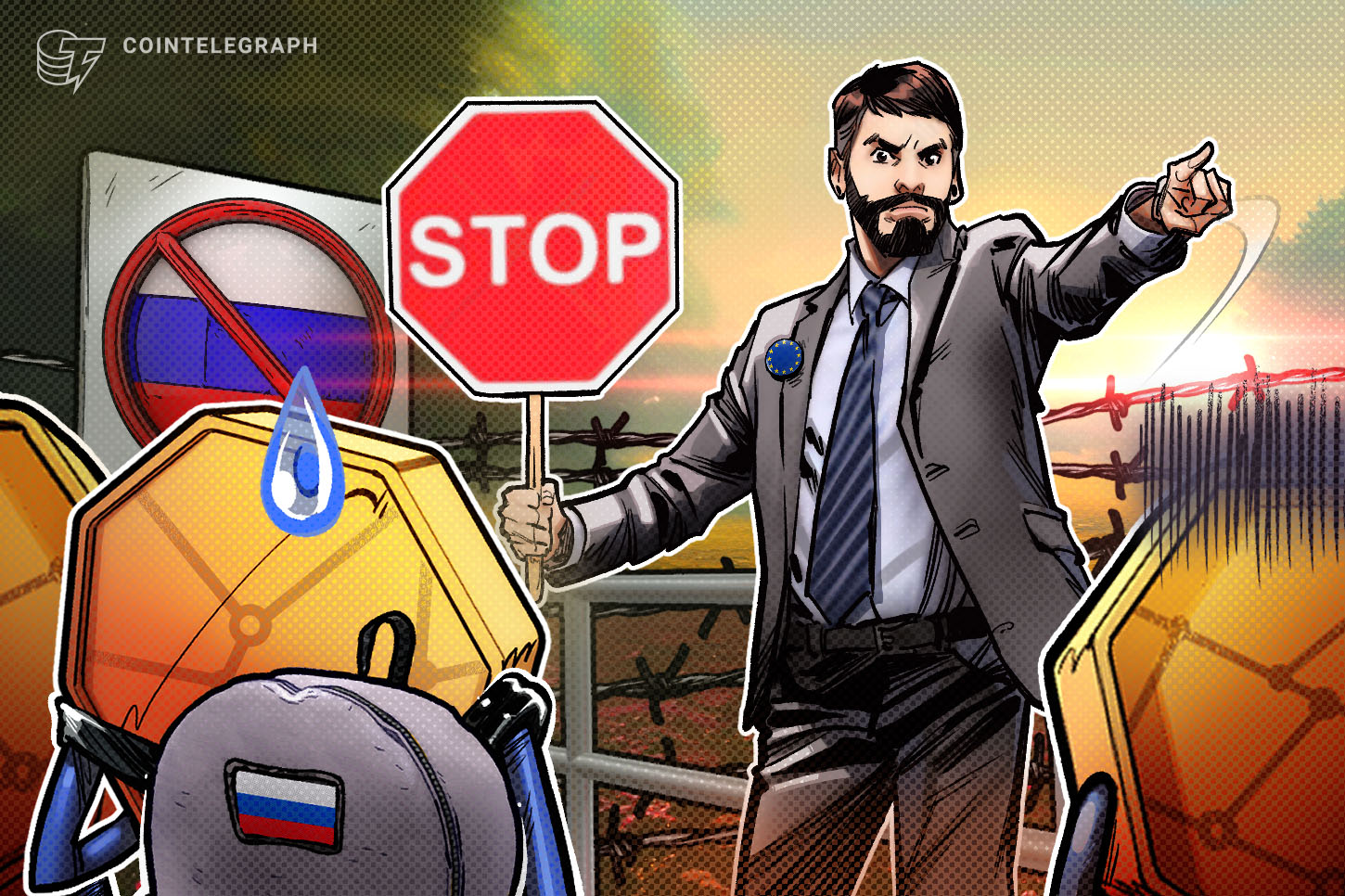
The European Union has imposed sanctions on HTX exchange, a cryptocurrency exchange that was previously known as Huobi Global. The sanctions are part of a broader effort by the EU to crack down on entities that support Russia’s war efforts in Ukraine. According to a statement from the European Council, HTX exchange has been providing crypto-asset services or payment services that facilitate a continued financial lifeline for Russia’s war of aggression against Ukraine. The EU’s decision to impose sanctions on HTX exchange is a significant development in the cryptocurrency regulation space, highlighting the importance of compliance with regulatory requirements. Cryptocurrency regulation is a critical aspect of the industry, and the EU’s actions demonstrate the need for exchanges to prioritize compliance.
Background on HTX Exchange and EU Sanctions
HTX exchange has been operating in the cryptocurrency space for several years and has been a popular platform for buying and selling cryptocurrencies. However, the exchange has faced regulatory challenges in the past, including a ban in the UK due to concerns over its links to Russia. The EU sanctions are the latest development in a series of regulatory actions taken against HTX exchange. The exchange’s history of regulatory issues has raised concerns about its ability to comply with EU regulations, particularly in the area of cryptocurrency regulation. The EU’s sanctions on HTX exchange are a clear indication that regulatory bodies are taking a tough stance on non-compliance, and exchanges must take steps to ensure they are meeting regulatory requirements.
Implications of EU Sanctions on HTX Exchange
The EU sanctions on HTX exchange will have significant implications for the cryptocurrency industry. The sanctions will restrict HTX exchange’s ability to operate in the EU and will likely have a significant impact on its business operations. The move also highlights the need for cryptocurrency exchanges to comply with regulatory requirements and to ensure that they are not facilitating transactions that undermine EU measures against Russia. The implications of the sanctions will be felt across the industry, with exchanges and other market participants needing to review their compliance procedures to ensure they are meeting EU regulatory requirements. For example, exchanges may need to implement more robust know-your-customer and anti-money laundering procedures to prevent the facilitation of illicit transactions.
Regulatory Angle: Compliance and Enforcement
The EU sanctions on HTX exchange demonstrate the importance of regulatory compliance in the cryptocurrency industry. Exchanges must ensure that they are complying with all relevant regulations and laws, including those related to anti-money laundering and know-your-customer requirements. Failure to comply with these regulations can result in significant penalties, including fines and sanctions. The EU’s decision to impose sanctions on HTX exchange is a clear indication that regulatory bodies are taking a tough stance on non-compliance, and exchanges must take steps to ensure they are meeting regulatory requirements. According to the European Council, the sanctions on HTX exchange are intended to prevent the exchange from providing financial services that could support Russia’s war efforts. The EU’s actions demonstrate the need for exchanges to prioritize compliance with regulatory requirements, particularly in the area of cryptocurrency regulation.
Market Impact: Cryptocurrency Prices and Trading Volumes
The EU sanctions on HTX exchange may also have an impact on cryptocurrency prices and trading volumes. The move may lead to a decrease in trading volumes on the exchange, as well as a decline in the price of cryptocurrencies listed on the exchange. However, the impact on the broader cryptocurrency market is likely to be limited, as there are many other exchanges operating in the space. The sanctions may also lead to increased volatility in the market, as investors and traders react to the news. To stay ahead of the competition, it’s essential to monitor Top app rankings and adjust your strategy accordingly. Additionally, the EU’s sanctions on HTX exchange may lead to increased scrutiny of other exchanges operating in the region, which could result in further regulatory actions.
Operational Consequences: Business Operations and Customer Impact
The EU sanctions on HTX exchange will have significant operational consequences for the exchange. The exchange will need to comply with the sanctions and ensure that it is not facilitating transactions that undermine EU measures against Russia. This may require the exchange to implement new procedures and policies, as well as to invest in new technology and infrastructure. The sanctions may also have a significant impact on the exchange’s customer base, with some customers potentially being restricted from using the exchange’s services. The exchange may need to provide additional support to its customers, including those who may be affected by the sanctions.
User Risk: Protecting Customer Assets and Data
The EU sanctions on HTX exchange also highlight the importance of protecting customer assets and data. Exchanges must ensure that they are taking all necessary steps to protect customer assets and data, including implementing robust security measures and complying with relevant regulations. The sanctions may also lead to increased scrutiny of exchanges’ security measures, with regulatory bodies potentially taking a closer look at exchanges’ compliance with data protection regulations. The EU’s General Data Protection Regulation (GDPR) is a key piece of legislation that exchanges must comply with, and the sanctions on HTX exchange demonstrate the need for exchanges to prioritize customer data protection.
Timeline: EU Sanctions and Regulatory Developments
The EU sanctions on HTX exchange are the latest development in a series of regulatory actions taken against the exchange. The timeline of events is as follows:
- May: The UK government imposes sanctions on HTX exchange due to concerns over its links to Russia
- July: The EU imposes sanctions on HTX exchange for its role in facilitating transactions that undermine EU measures against Russia
What to Watch Next: Regulatory Developments and Industry Trends
The EU sanctions on HTX exchange are likely to be followed by further regulatory developments in the cryptocurrency industry. Exchanges and other industry participants must stay up-to-date with the latest regulatory requirements and developments, including those related to anti-money laundering and know-your-customer requirements. The cryptocurrency industry is rapidly evolving, and regulatory developments will play a critical role in shaping the industry’s future.
External Factors: Global Economic Trends and Geopolitical Events
The EU sanctions on HTX exchange are also influenced by global economic trends and geopolitical events. The ongoing conflict in Ukraine and the resulting economic sanctions against Russia have created a complex and challenging environment for the cryptocurrency industry. The sanctions may also have a significant impact on the global economy, with potential implications for trade and investment. The EU’s sanctions on HTX exchange demonstrate the need for exchanges to prioritize compliance with regulatory requirements and to stay ahead of the competition.
Cryptocurrency Regulation and Compliance
The EU sanctions on HTX exchange are a significant development in the cryptocurrency regulation space, highlighting the importance of compliance with regulatory requirements. The sanctions demonstrate the need for exchanges to ensure they are meeting regulatory requirements, including those related to anti-money laundering and know-your-customer requirements. By prioritizing compliance and regulatory requirements, exchanges can help to ensure a safe and secure environment for customers and to promote the long-term growth and development of the industry.