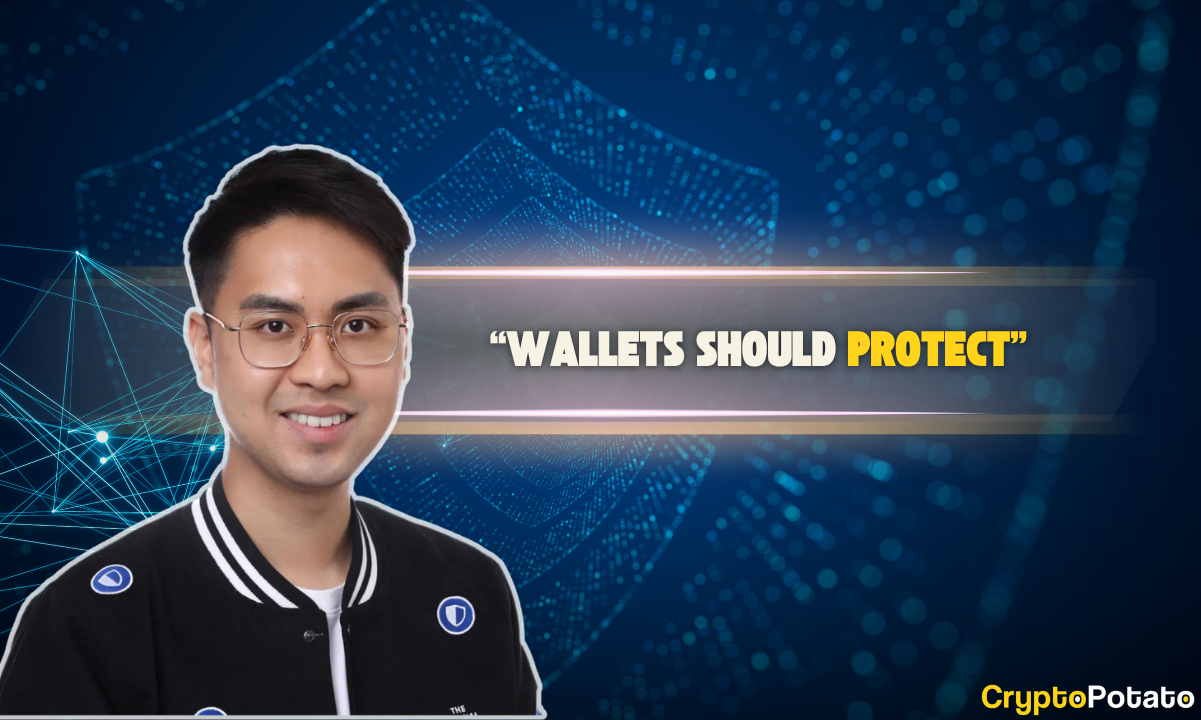
Introduction to Self-Custody in Crypto
Self-custody has been a topic of discussion in the crypto industry for several years. The idea of individuals taking control of their own assets, rather than relying on third-party custodians, has gained significant traction. According to Trust Wallet’s CEO, Felix Fan, self-custody has won the argument, but now it needs to work seamlessly for users. The primary keyword, self-custody, is essential in this context as it refers to the practice of individuals taking control of their own cryptocurrency assets. As the crypto industry continues to evolve, self-custody is becoming increasingly important for users who want to have full control over their assets.
The Challenge of User Experience in Self-Custody
The biggest challenge facing self-custody is user experience. While the principle of self-custody has been widely accepted, the reality is that many users find it intimidating. The use of technical terms such as ‘private keys’ and ‘seed phrases’ can be overwhelming for those who are new to the crypto space. Furthermore, the fear of losing access to assets permanently is a significant concern for many users. To address these concerns, it is crucial to focus on self-custody and its implications for user experience. For instance, a study by the Cambridge Centre for Alternative Finance found that the majority of crypto users are not using self-custody solutions due to the complexity and perceived risk associated with them.
Simplifying Self-Custody Solutions
To address these concerns, Trust Wallet’s CEO emphasizes the need for simple, safe, and intuitive self-custody solutions. This can be achieved by changing the language used in the industry, making recovery options more accessible, and creating a surrounding experience that matches what people are already used to. For example, mobile banking apps have made it easy for users to manage their finances without needing to understand the underlying mechanics. Similarly, self-custody solutions need to be designed with the user in mind, rather than requiring them to become experts in cryptography. The self-custody solutions should prioritize user experience and provide a seamless and secure way to manage assets. According to a report by Deloitte, the adoption of self-custody solutions can be increased by providing users with a user-friendly interface and educating them about the benefits and risks associated with self-custody.
The Role of Wallets in Self-Custody
Wallets play a critical role in self-custody, as they are the primary interface between users and their assets. Trust Wallet, in particular, has been at the forefront of self-custody, with its CEO emphasizing the need for wallets to take more responsibility for user protection. This includes implementing security measures such as the Security Scanner, which has prevented $458 million in losses from malicious contracts. According to the source URL https://cryptopotato.com/self-custody-has-won-the-argument-now-it-has-to-work-trust-wallet-ceo-interview/, Trust Wallet’s approach to self-custody is a significant step forward in the industry. The role of wallets in self-custody is crucial, and users should choose a wallet that provides a high level of security and user experience.
The Current State of the Crypto Industry and Self-Custody
The crypto industry is undergoing a significant transformation, with the infrastructure coming of age. Onchain liquidity has deepened, stablecoins have real-world utility, and tokenized assets are becoming more accessible. AI agents are also starting to interact with onchain systems in ways that were not possible two years ago. According to Fan, the question is no longer ‘Can crypto do this?’ but ‘Can we make it simple enough that the next hundred million people don’t need to already believe in it to try it?’ The self-custody aspect is critical in this context as it enables users to have full control over their assets. The current state of the crypto industry and self-custody is promising, with many experts predicting that self-custody will become the norm in the near future.
Payments and Trading in Self-Custody
In the near term, payments and trading are expected to be the biggest use cases for crypto. Onchain liquidity has matured, and integrations such as Hyperliquid for perps, prediction markets, and tokenized stocks through bStocks have made it possible for users to do things inside a self-custodial wallet that they would have needed a traditional brokerage account or CEX for a few years ago. For those looking to get involved in the crypto space, a Fast crypto exchange https://www.flashcrypto.exchange/en can provide a seamless and secure way to buy and sell assets. The payments and trading use cases for self-custody are significant, and users should be aware of the benefits and risks associated with them.
The Importance of Regulation for Self-Custody
Regulation is also expected to play a critical role in the development of the crypto industry. Clear regulation can provide a framework for the industry to operate within, which can help to build trust and confidence among users. According to Fan, the industry is at a point where it needs to make self-custody feel as simple, safe, and obvious as mobile banking. The regulatory environment will have a significant impact on the adoption of self-custody solutions. Users should be aware of the regulatory landscape and its implications for self-custody. For instance, the introduction of clear regulations can increase the adoption of self-custody solutions by providing users with a clear understanding of the risks and benefits associated with them.
The Future of Self-Custody and Its Implications
The future of self-custody looks promising, with many experts predicting that it will become the norm in the crypto industry. As the infrastructure continues to develop, and user experience improves, self-custody is likely to become more mainstream. According to Fan, the principle of self-custody has already won the argument, but the product experience has some catching up to do. The implications of self-custody are significant, and it is essential to consider the potential risks and benefits associated with it. For instance, self-custody can provide users with full control over their assets, but it also requires a high level of responsibility and technical expertise. Users should be aware of the potential risks and benefits associated with self-custody and take necessary precautions to protect their assets.
Conclusion and Next Steps
In conclusion, self-custody has become a widely accepted principle in the crypto industry, but it needs to work seamlessly for users. The challenge of user experience is significant, but it can be addressed by simplifying the language used in the industry, making recovery options more accessible, and creating a surrounding experience that matches what people are already used to. As the industry continues to develop, it is likely that self-custody will become the norm, and users will be able to manage their assets in a simple, safe, and intuitive way. To stay up-to-date with the latest developments in the crypto industry and self-custody, it is essential to follow trusted sources and stay informed about the regulatory environment and its implications for self-custody. For more information on self-custody, users can visit the website of the Cambridge Centre for Alternative Finance, which provides research and analysis on the crypto industry and self-custody.
Related coverage
- Bitcoin Price Analysis: Targeting $65K
- Ripple CEO Brad Garlinghouse Faces Criticism: Crypto Analyst Challenges Strategy, Citing Similar Funding Models
- Bitcoin Price Outlook: Trends and Analysis